
Artificial intelligence (AI) is a broad field of computer science involving the development of computer systems that are capable of performing tasks that typically require human intelligence, such as visual perception, speech recognition, decision-making, and translation between languages. AI is used in a variety of applications, including robotics, natural language processing, expert systems, gaming, andContinue reading “Artificial Intelligence Terminology: A Beginners Guide”
Category Archives: Uncategorized
How Training Data is prepared for Computer Vision

As humans, we generally spend our lives observing our surroundings using optic nerves, retinas, and the visual cortex. We gain context to differentiate between objects, gauge their distance from us and other objects, calculate their movement speed, and spot mistakes. Similarly, computer vision enables AI-powered machines to train themselves to carry out these very processes.Continue reading “How Training Data is prepared for Computer Vision”
Intelligent Document Processing Workflow and Use cases

Artificial Intelligence has stepped up to the front line of real-world problem solving and business transformation with Intelligent Document Processing (IDP) becoming a vital component in the global effort to drive intelligent automation into corporations worldwide. IDP solutions read the unstructured, raw data in complicated documents using a variety of AI-related technologies, including RPA bots,Continue reading “Intelligent Document Processing Workflow and Use cases”
Implementation of Artificial Intelligence in Gaming

What is AI in Gaming? AI in gaming is the use of artificial intelligence to create game characters and environments that are capable of responding to a player’s actions in a realistic and dynamic way. AI can be used to create believable characters that can interact with the player, create dynamic levels, and generate newContinue reading “Implementation of Artificial Intelligence in Gaming”
MLOps and ML Data pipeline: Key Takeaways

If you have ever worked with a Machine Learning (ML) model in a production environment, you might have heard of MLOps. The term explains the concept of optimizing the ML lifecycle by bridging the gap between design, model development, and operation processes. As more teams attempt to create AI solutions for actual use cases, MLOpsContinue reading “MLOps and ML Data pipeline: Key Takeaways”
How NLP can increase Financial Data Efficiency

The finance sector is driven to make a significant investment in natural language processing (NLP) in order to boost financial performance by the quickening pace of digitization. NLP has become an essential and strategic instrument for financial research as a result of the massive growth in textual data that has recently become widely accessible. ResearchContinue reading “How NLP can increase Financial Data Efficiency”
Insurance Claims: Data Annotation Types for Computer Vision

Machine learning is already being employed across multiple industries to automate the processes that are slowed down by manual, repetitive steps. With advanced algorithms, techniques, and frameworks under the hood, AI tools can accelerate the process of recognizing damaged vehicle parts, assessing damage, making predictions about what kind of repair is needed, and estimating howContinue reading “Insurance Claims: Data Annotation Types for Computer Vision”
Computer Vision and Data Annotation: Leading the way for Drone AI
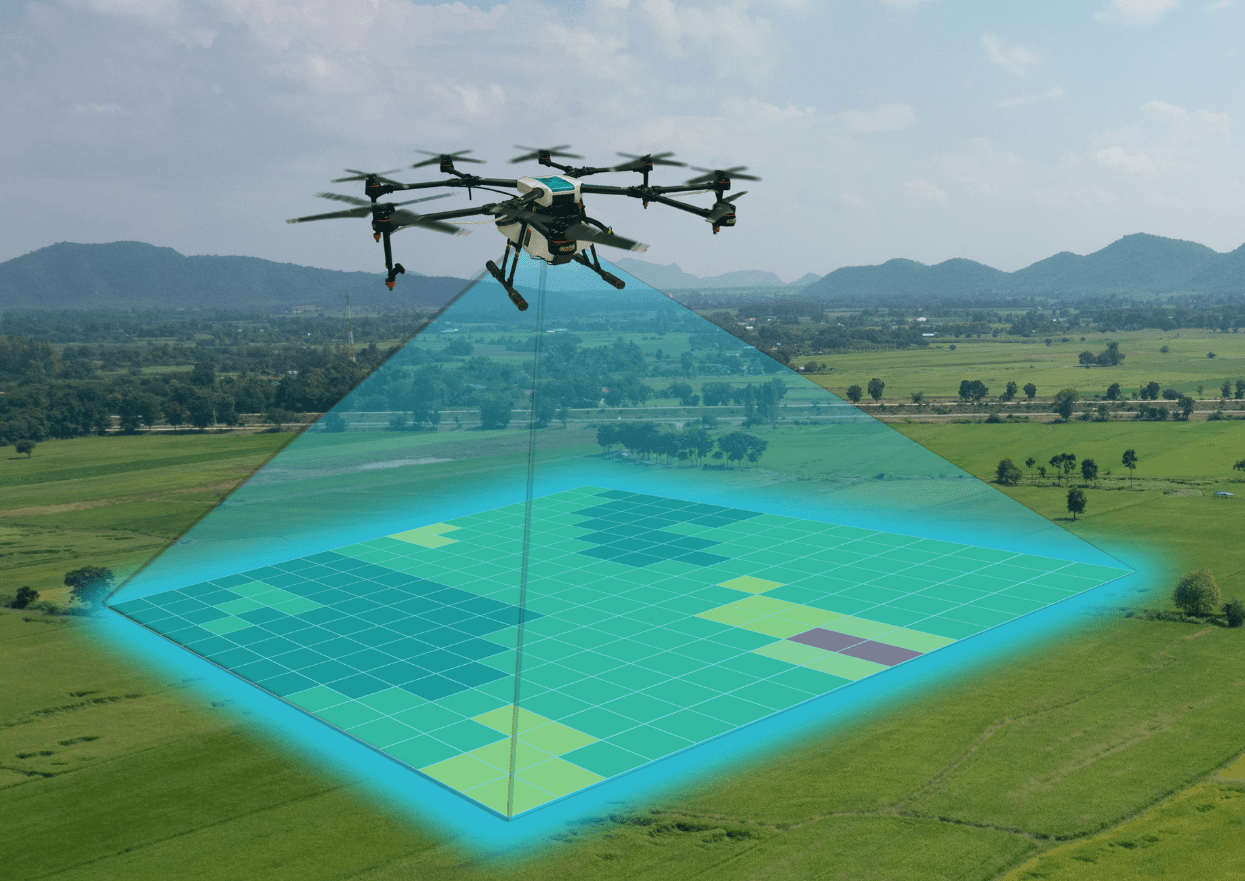
Unmanned Aerial Vehicles (UAVs) have created great ease in a number of operations and across various industries. Integrating the latest technologies has allowed for higher levels of reliability and a more reassuring degree of trust in the use of UAVs. in the air. It also enables drones to capture and identify obstacles in real-time andContinue reading “Computer Vision and Data Annotation: Leading the way for Drone AI”
Video Annotation: A Complete Guide

The process of adding annotations to videos is known as video annotation or video labelling. The primary goal of video annotation is to make it easier for computers to identify objects in videos using AI-powered algorithms. Annotated videos create a high-quality reference database that computer vision-enabled systems can use to accurately identify objects like cars,Continue reading “Video Annotation: A Complete Guide”
Synthetic Data: Description, Benefits and Implementation

The quality and volume of data are critical to the success of AI algorithms. Real-world data collection is expensive and time-consuming. Furthermore, due to privacy regulations, real-world data cannot be used for research or training in most situations, such as healthcare and the financial sector. Another disadvantage is the data’s lack of availability and sensitivity.Continue reading “Synthetic Data: Description, Benefits and Implementation”
 Latest Updates