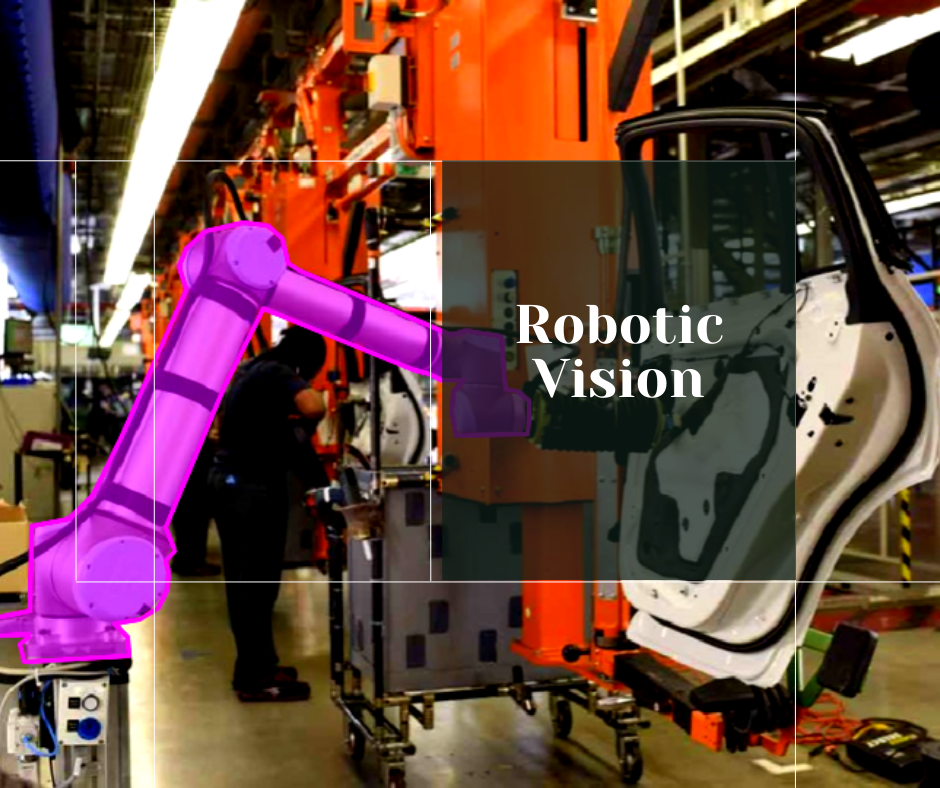
Robotic systems have proven to be incredibly adept at selecting, organizing, arranging, and cataloging products on the production line or in retail settings. The field of robotics is expanding its permitted operating space. Robots can now work more quickly on the assembly line and in brand-new settings like supermarkets, hospitals, and restaurants thanks to machineContinue reading “How Computer Vision is making Robots smart”
Author Archives: Pranjal Ostwal
Introduction to Object Detection for Computer Vision and AI
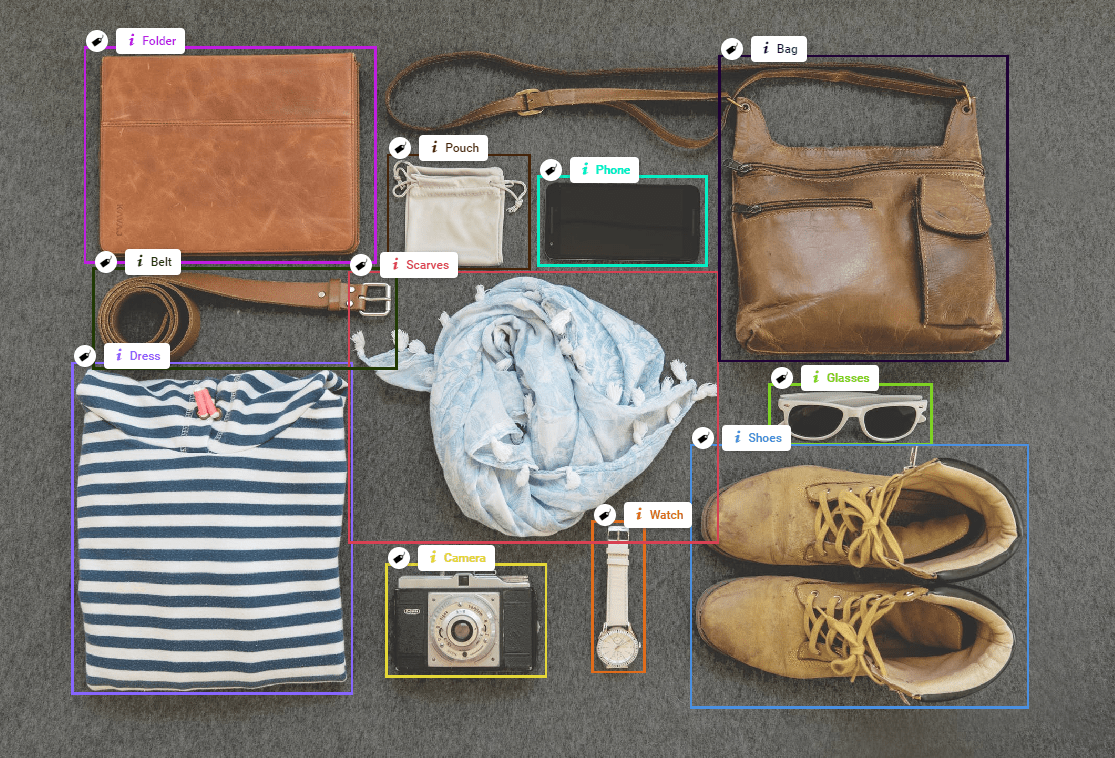
Humans can easily detect and identify objects present in an image. The human visual system is fast and accurate and can perform complex tasks like identifying multiple objects and detecting obstacles with little conscious thought. With the availability of large amounts of data, faster GPUs, and better algorithms, we can now easily train computers toContinue reading “Introduction to Object Detection for Computer Vision and AI”
Data Collection for Machine Learning and AI
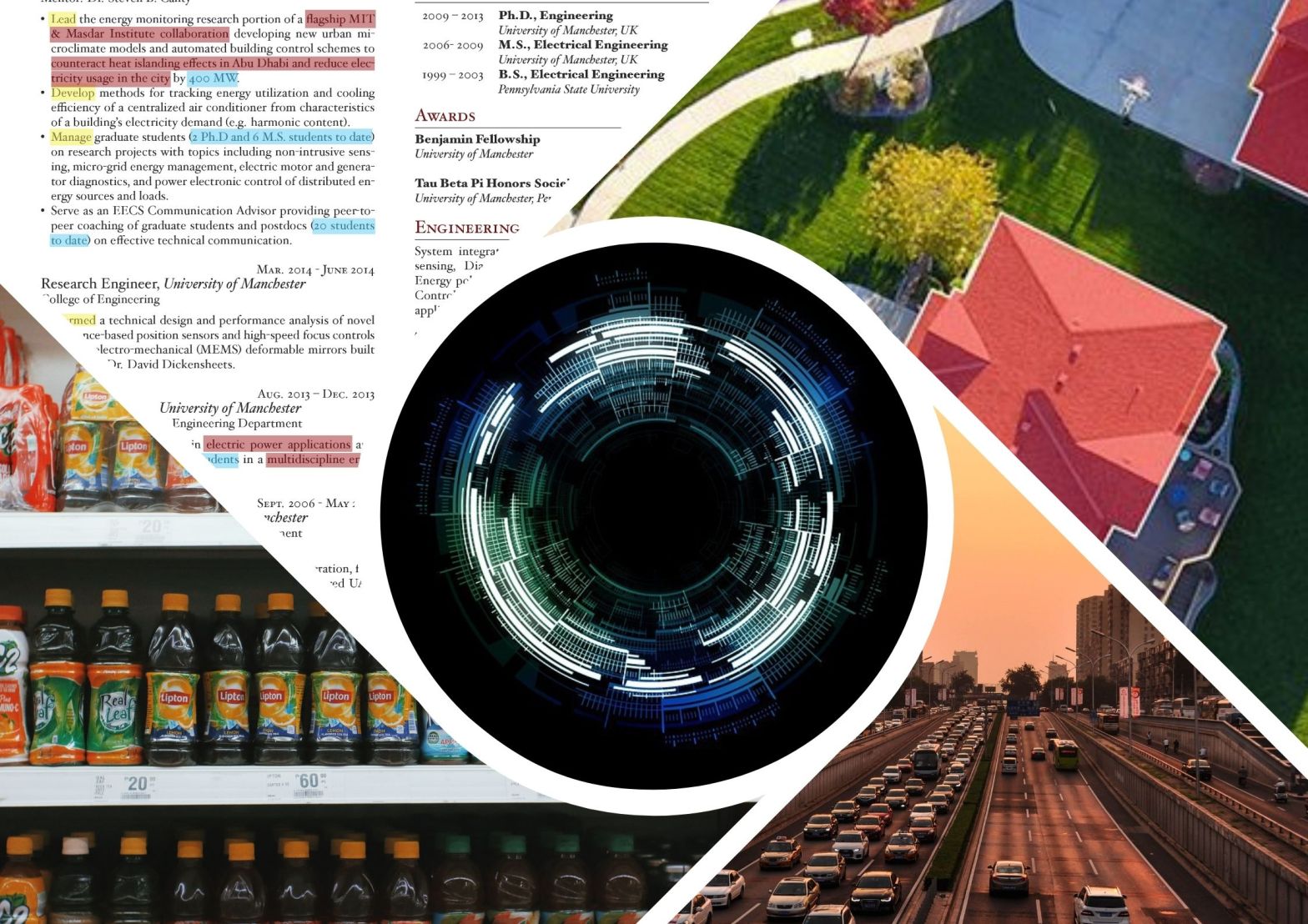
In order to build intelligent applications capable of understanding, machine learning models need to digest large amounts of structured training data. Gathering sufficient training data is the first step in solving any AI-based machine learning problem. Data collection means pooling data by scraping, capturing, and loading from multiple sources including offline and online sources. HighContinue reading “Data Collection for Machine Learning and AI”
A Complete Guide to Data Annotation and labeling

What is data annotation? The human activity of tagging content such as text, images, and videos, so that machine learning models can recognize them and use them to generate predictions, is known as data annotation. When we label data elements, ML models accurately understand what they are going to process and retain that information toContinue reading “A Complete Guide to Data Annotation and labeling”
ECommerce Product Catalog Management Guide

The importance of e-commerce product catalog management cannot be overstated, as it contains every last data about products and inventory. It contains up-to-date product information, such as product specifications, prices, marketing text, and digital assets, among other things. This allows visitors to the website to gain a complete understanding of products and make them accessible,Continue reading “ECommerce Product Catalog Management Guide”
The Need for Constant Labeling in machine learning

It’s natural to focus on the processes of data preparation, model creation, and deployment of the solution to production while discussing the implementation of machine learning solutions. However, it’s critical for teams to understand that deploying the machine learning model isn’t the end of the process. It can only be thought of as the conclusionContinue reading “The Need for Constant Labeling in machine learning”
How AI is reforming Traditional Claim Processing?

The most significant advantage of using machine learning (ML) in the insurance sector is that it simplifies data sets. Machine learning (ML) may be applied successfully to structured, semi-structured, and unstructured datasets. Through increased predictive accuracy, machine learning may be used to precisely identify risk, claims, and customer actions across the value chain. Machine learningContinue reading “How AI is reforming Traditional Claim Processing?”
A Guide to Human Pose Estimation for AI

Human pose estimation and tracking is a computer vision task that includes detecting, associating, and tracking semantic key points. Examples of semantic key points are “right shoulders,” “left knees,” or the “left brake lights of vehicles.” The performance of semantic keypoint tracking in live video footage requires high computational resources which has been limiting theContinue reading “A Guide to Human Pose Estimation for AI”
Human In the Loop for Machine Learning
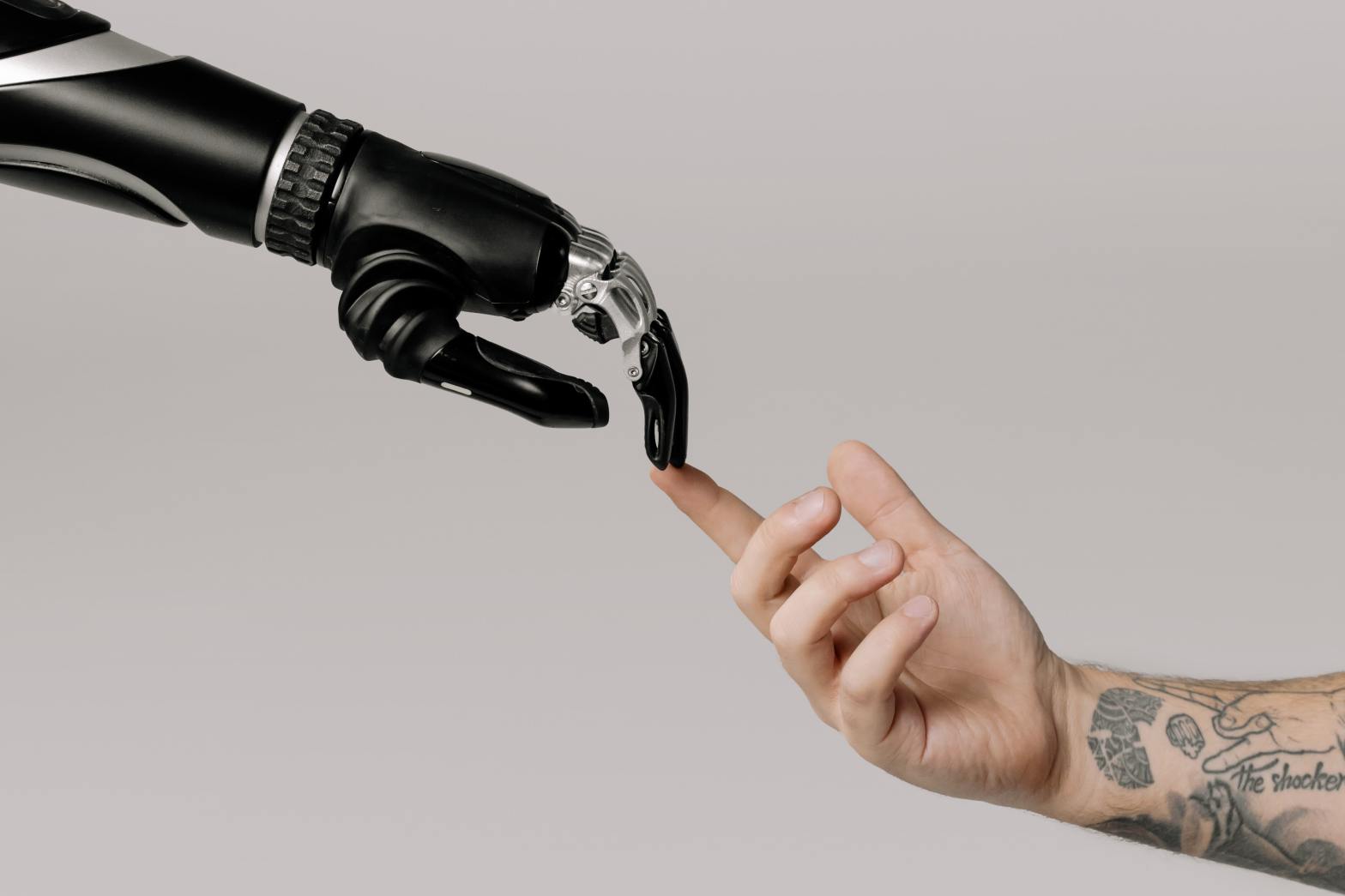
The majority of machine learning models rely on human-created data. But the interaction between humans and machines does not end there; the most powerful systems are designed to allow both sides to interact continuously via a mechanism known as “Human in the loop” (HITL). HUMAN-IN-THE-LOOP (HITL) machine learning necessitates human inspecting, validating, or changing someContinue reading “Human In the Loop for Machine Learning”
Optical Character Recognition: Traditional vs AI-powered

OCR stands for Optical Character Recognition. It is a widespread technology to recognize text inside images, such as scanned documents and photos. OCR technology is used to convert virtually any kind of image containing written text (typed, handwritten, or printed) into machine-readable text data. OCR Technology became popular in the early 1990s while attempting toContinue reading “Optical Character Recognition: Traditional vs AI-powered”
 Latest Updates